Gamification and branded game marketing statistics for 2026
The gamification market is worth roughly $31 to $34 billion this year, games reach most of the people brands want to reach, and short browser games are quick to put on an event floor. Here are the numbers behind those claims, where each one comes from and how much weight it deserves.
$30.7B to $34.4B
Estimated global gamification market in 2026, across three analyst reports.
3.4 billion
Players worldwide, with under 5% of media spend going to gaming.
Dentsu Gaming, March 202692%
of web gamers describe HTML5 games as high quality.
Poki State of Web Gaming, 202610,069
Leads from one gamified prize wheel in two weeks.
Tele2 Estonia case studyThe short version
- The market is big and growing. Estimates for 2026 run from $30.7 billion to $34.4 billion depending on the research firm, and all three firms we checked describe fast growth.
- Games reach most of your audience. More than 8 in 10 internet users play video games, yet gaming gets less than 5% of media spend.
- Players like the browser. In a 2026 web gaming survey, 56% of web gamers cited accessibility and 58% cited price as reasons they play browser games.
- Interactive content holds attention longer. One widely shared comparison puts it at 13 minutes of engagement against 8.5 minutes for static content.
- Gamified sign-ups can beat plain forms. Published case studies show it, but results vary and lead quality needs checking.
How big is the gamification market in 2026?
Three research firms published 2026 estimates, and they land within about $3.7 billion of each other. Persistence Market Research puts the 2026 market at $30.7 billion. Straits Research says $33.0 billion. The Business Research Company says $34.43 billion, up from $26.91 billion in 2025.
Estimated 2026 gamification market size
USD billions. Bars start at zero.
| Research firm | 2026 estimate | Longer-term forecast | Growth rate |
|---|---|---|---|
| Persistence Market Research (October 2026) | $30.7 billion | $92.7 billion by 2033 | 17.1% a year, 2026 to 2033 |
| Straits Research (September 2026) | $33.0 billion | $226.13 billion by 2034 | 27.2% a year, 2026 to 2034 |
| The Business Research Company (2026) | $34.43 billion | Not in the summary we reviewed | 28.0% from 2025 to 2026 |
The firms agree on the direction and disagree on the pace. By 2033 or 2034 the forecasts differ by more than $130 billion, so treat the long-range numbers as scenarios, not predictions.
Two more details help if you plan to market with games. North America is the largest region, with about 38.6% of the 2025 market according to Straits Research. And Persistence lists marketing and sales, customer engagement, and loyalty and rewards among the main application areas, while noting that smaller businesses often can't justify heavy customization. That is the gap ready-made branded games are built to fill: a finished game with your logo, colors and message on it, without a ground-up build.
A narrower slice sits next door. The Business Research Company estimates the creator-branded games market, which covers branded experiences built with game creators and platforms, at $4.68 billion in 2026, up from $4.05 billion in 2025.
Games reach most of the people brands want to reach
Gaming is no longer a niche habit. Statista data cited in The Drum shows more than 82% of internet users worldwide play video games on at least one device, and more than 8 in 10 in the core 16 to 44 age group.
82%+
of internet users worldwide play video games on at least one device.
Statista, cited in The Drum, July 2026<5%
of total media investment goes to gaming, which has 3.4 billion players.
Dentsu Gaming, March 202670% and 95%
of gamers play or watch games daily and weekly.
Activision Blizzard Media study, cited by eMarketer55%
of players are interested in acquiring branded virtual items.
Dentsu Gaming, March 2026The same eMarketer piece adds a warning that matters for branded games. About 20% of gamers say they would play a title more often if its in-game ads were high quality, and a similar share say they would abandon a game after disruptive ads. People accept brands in games when the brand is part of the fun and not an interruption.
There is early evidence that this pays off. Dentsu Gaming reports that gamified loyalty programs increased purchase rates by 12% and guest spend by 64%. In a Samsung Galaxy S25 campaign across Roblox, Fortnite and Minecraft, average engagement reached 9.1 minutes per player, with a 27% increase in top-of-mind awareness. That second result comes from a Drum Network member article by the CEO of ReachPlayers, so it is one company's account, and the campaign was far larger than a typical booth game. Your booth game won't match that reach, but the pattern is the same: a game people choose to play holds attention for minutes.
Why browser games suit events and campaigns
The 2026 State of Web Gaming report, commissioned by the web games platform Poki and run by Atomik Research, surveyed 2,000 web gamers and 400 game developers in the UK and US in May 2026. Its findings read like a checklist for event marketers.
What web gamers say about browser games
Share of surveyed web gamers, UK and US, May 2026.
The developer side shows the same shift. According to the report, 53% of mobile game companies plan to port games to the browser within 12 months, against 41% of PC and console companies. And 62% of web gamers have downloaded or bought a game after first playing it on the web.
Separately, a 12-month study of 1.74 billion browser game sessions, reported by Outlook Respawn, found that hypercasual and puzzle titles make up 99% of web gaming. Simple mechanics that load instantly win in the browser.
That is the same recipe behind our branded mini games: players open a link or scan a QR code, nothing to download, and many rounds run about 60 seconds. One caution: Poki sells a web games platform, so read its survey as industry-friendly, and remember it covers the UK and US only.
Interactive content holds attention longer than static content
A branded game is a form of interactive content, so the wider research on interactive formats applies. Uplup's 2026 guide reports that visitors spend an average of 13 minutes with interactive content against 8.5 minutes with static pieces, and that interactive content earns four to five times more page views. It also cites a 2024 Demand Metric benchmark that found 2.7 times more engagement than passive formats.
Average time spent with content
Minutes, as compiled in Uplup's 2026 interactive content guide. Bars start at zero.
Marketers say the same thing. In survey figures compiled by Linearity, 81% of marketers say interactive content is better at grabbing attention than static content, and 93% say it is effective at educating buyers, against 70% for static. A separate roundup by Jobera finds that 41% of consumers prefer interactive content when they want to learn about a brand.
The size of the lift depends on who you ask. Linearity's roundup says about twice the engagement, and Uplup says 2.7 times. Many of these figures trace back to older marketer surveys, so use them for direction, not for a forecast.
What gamified lead capture has delivered in published case studies
The most useful evidence is specific campaigns with numbers attached. Here are three, with their limits stated.
10,069 leads in two weeks
Tele2 Estonia's marketing team replaced a standard lead form with a digital prize wheel. Users entered their contact details to spin. The campaign recorded 18,683 gameplays alongside the 10,069 leads, which works out to roughly 1.9 plays for every lead, so many people played more than once.
One lesson from the case: players disliked the "No Prize" segment on the wheel and felt let down when they landed on it. Optimove, which published the case study, sells gamification software.
3.2 times the daily sign-ups
A webshop using ideal.shop's wheel-of-fortune popup collected about 11.3 sign-ups a day, against about 3.5 a day from a classic newsletter popup. Its conversion rate rose from 4.34% to 6.7%, and about 18% of participants used their prize on an order.
This is one shop, published by the tool vendor, and visitors had to sign up for the newsletter to play.
78% of visitors entered
An "unwrap the gift" promotion drew 12,918 unique visitors and 10,064 entries, a 78% entry rate, according to Prospeo's 2026 lead generation guide. That measures entries, not sales, and it is a single campaign.
Daily sign-ups on one webshop
Average sign-ups per day, ideal.shop case study. Bars start at zero.
Vendors publish bigger numbers. WIT Sports says gamified campaigns produce three to five times the leads of static landing pages, and BeeLiked reports a 55% entry completion rate across enterprise clients. Both figures come from firms that run gamified campaigns for brands, so treat them as ceilings.
Lead quality deserves its own check. Prospeo's analysis says gamified forms attract throwaway email addresses at two to three times the rate of gated content downloads. The fix is to give players a real reason to share a real address, such as a prize or a leaderboard rank, and to verify entries before your team follows up. Our event lead generation games ask for a name and email after the round, and players can usually skip the form, so the reason to fill it in matters.
Trade show numbers worth knowing before you plan a booth
Elation Digital's 2026 roundup of trade show lead generation ideas collects the basics. Elation is an experiential marketing agency that sells games, so it has a point of view, but the headline figures are useful context.
72%
of exhibitors attend trade shows mainly to generate leads.
33%
of new business opportunities for participating companies come from trade shows.
$112
is the approximate cost of an average trade show lead.
318M
visitors attended more than 32,000 exhibitions worldwide in 2024.
If most exhibitors are there for leads, the question is what turns a walk-by into a conversation. The tactics Elation lists include interactive demos, prize mechanics and games that ask for a quick sign-in to play. That is the same pattern our browser games use: a short round first, then a form.
You will also see claims that gamification lifts booth traffic by up to 50%. Those numbers come from event-tech vendors such as momencio, and we found no independent benchmark behind them, so we left them out of the headline figures. Measure your own booth instead.
How to read these numbers
Statistics pages tend to stack up big percentages without saying how far to trust them. Four things to keep in mind:
Market sizes depend on definitions
Firms count software, services and platforms differently, which is why 2026 estimates span about $3.7 billion. Use a range, not a single figure.
Many lifts come from vendors
Case studies and multipliers are often published by companies that sell gamification. They show what is possible, not what is typical.
In-game results are big-budget results
Campaigns on Roblox or Fortnite run at a scale a booth or email campaign won't reach. Borrow the lesson, not the numbers.
More leads is not the same as better leads
Gamified sign-ups can include more throwaway addresses. Qualify and verify before your team spends time on follow-up.
What to track on your own campaign: plays, share of players who complete the sign-up form, replays per player, follow-up replies or meetings booked, and cost per qualified lead. Those five numbers will tell you more than any industry average.
Turning the statistics into a plan for your next event
The research points to a few practical moves.
Pick a game people learn in five seconds
Games that are easy to explain and quick to play keep lines moving and give your team an easy opener. Many rounds in our range run about 60 seconds.
Share it by link or QR code
Players open the game in a phone or desktop browser, which matches what web gamers say they like about the format, and it keeps the first step to a single scan.
Ask for details after the round
Put the sign-up form after play, with a prize or leaderboard as the reason to fill it in. Pair a physical game with a QR code sign-up if you want leads from it too.
Send your event date early
It's late October. If you want a branded holiday game for a year-end event, include your date in your quote request and we'll confirm what timeline is realistic.
Agencies and resellers can also look at white label games, which are finished games rebranded with your logo, colors and message. For seasonal ideas, see our office Christmas party games.
Branded games you can put your logo on
Every game below plays in the browser and can carry your logo, colors and message. Open any game page to see how it plays. Sign-up forms and leaderboards vary by game, so tell us what you need when you request a quote.
Holiday games for year-end events
Santa's Gift Run
Santa flies a jetpack in the browser. A run ends when he touches an enemy or his energy runs out, usually within a minute or two.
Best for: office parties and remote teams.
Winter Slope Run
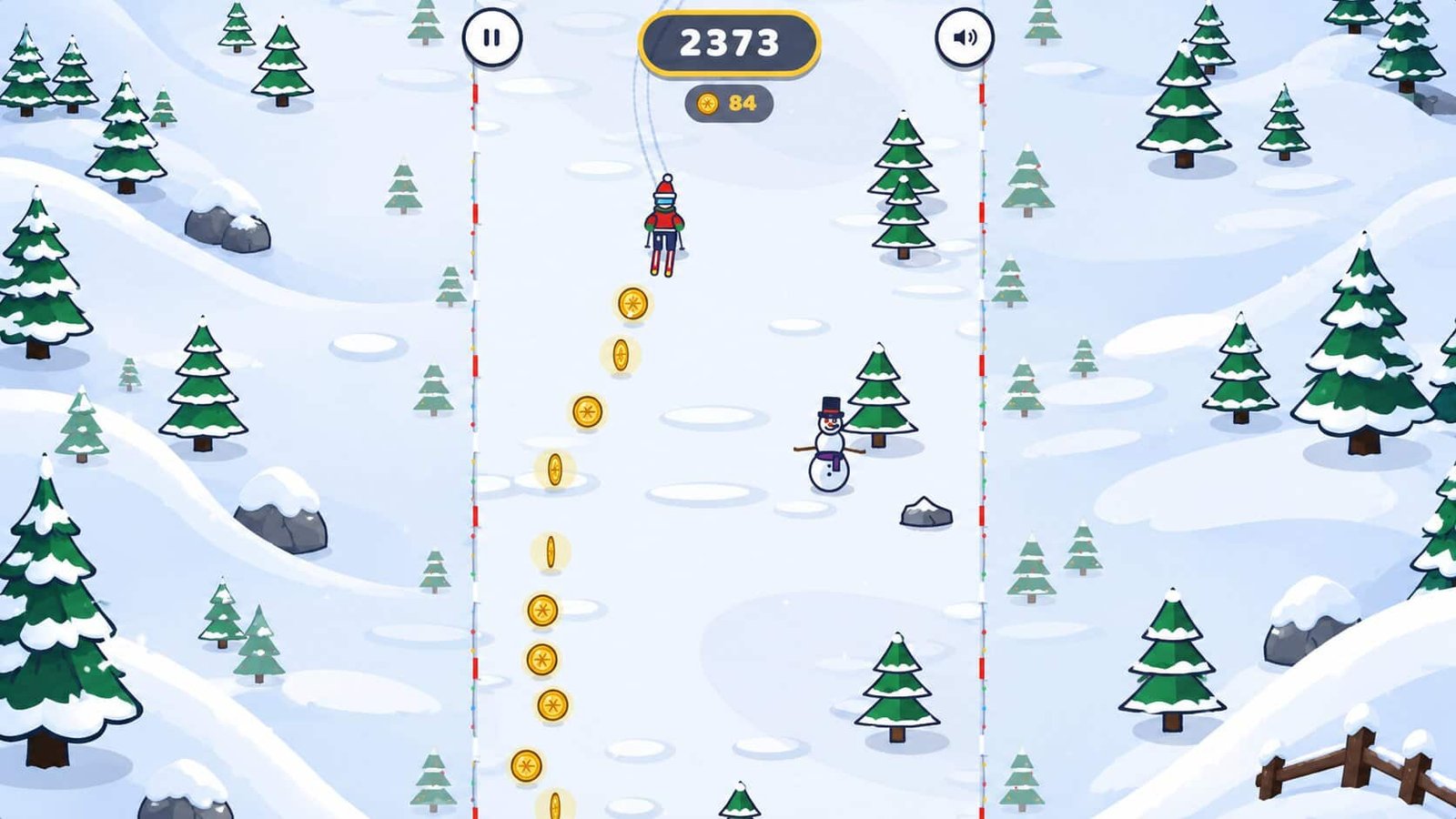
A steer-only downhill ski game. Players dodge trees, rocks and snowmen, grab coins and chase a leaderboard rank.
Best for: holiday campaigns, winter sports brands and kiosks.
Christmas Bubble Bash
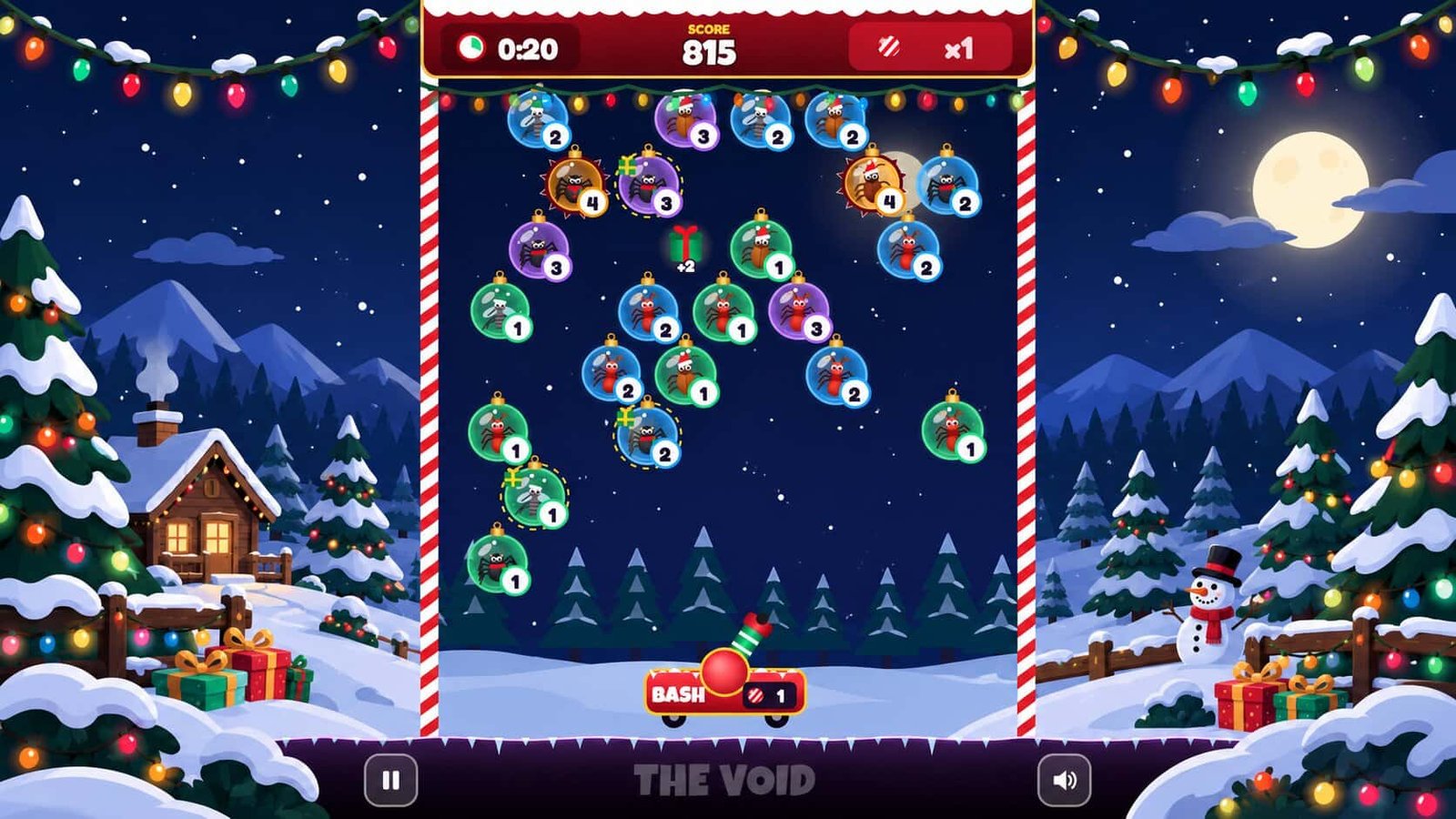
A 60-second bubble shooter. Hold to aim, release to fire and bounce shots off the walls to pop ornament bubbles.
Best for: holiday trade show booths and parties.
Snatch the Sneaky Elves
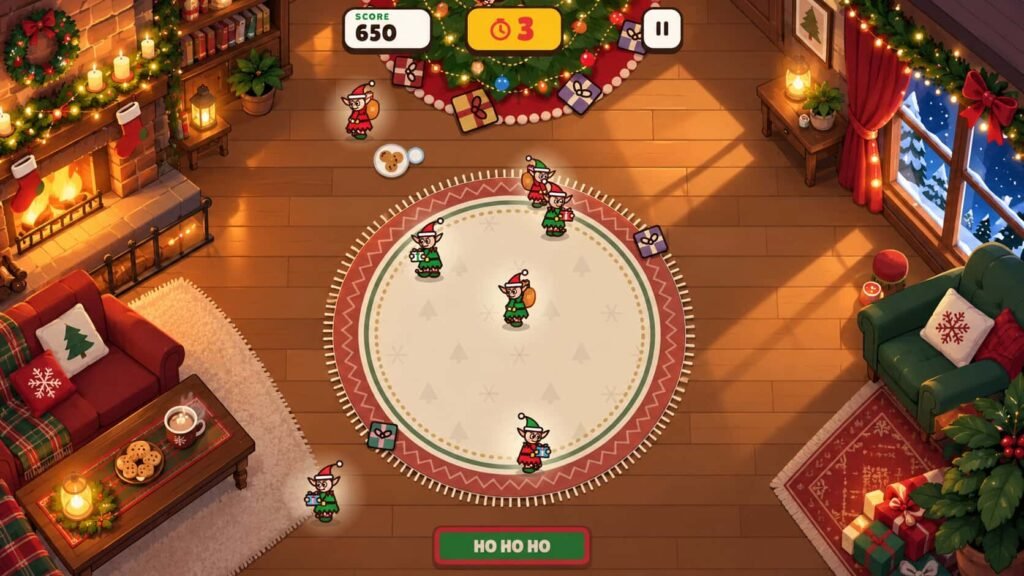
Players have 60 seconds to tap cheeky elves before they run off with Santa's presents. Family-safe, with combos for fast catches.
Best for: holiday parties and seasonal campaigns.
Duck Carnival Shoot
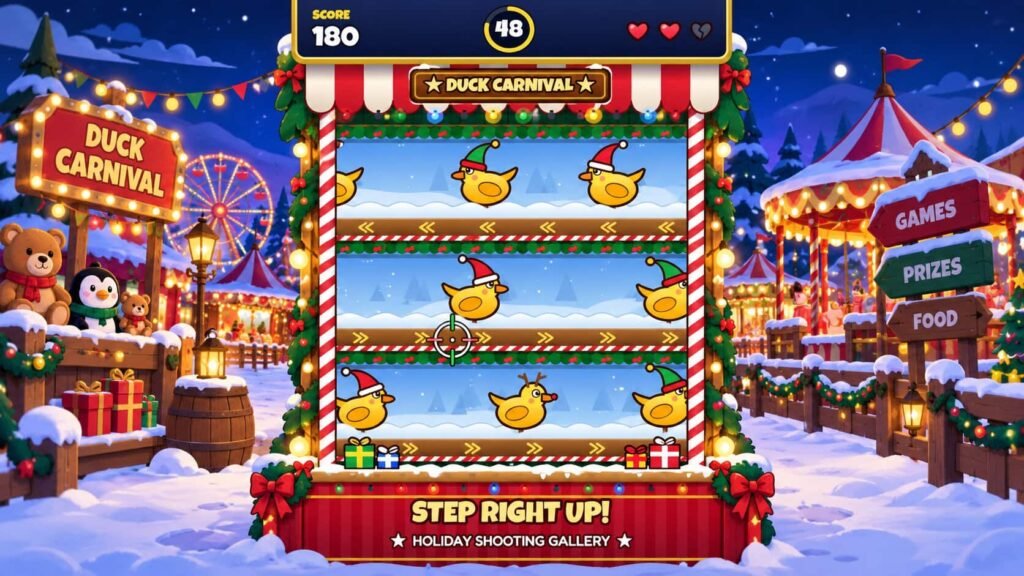
A 60-second Christmas shooting gallery. Shoot the festive ducks, dodge the bombs and build streaks for a high score.
Best for: holiday campaigns, trade shows and client parties.
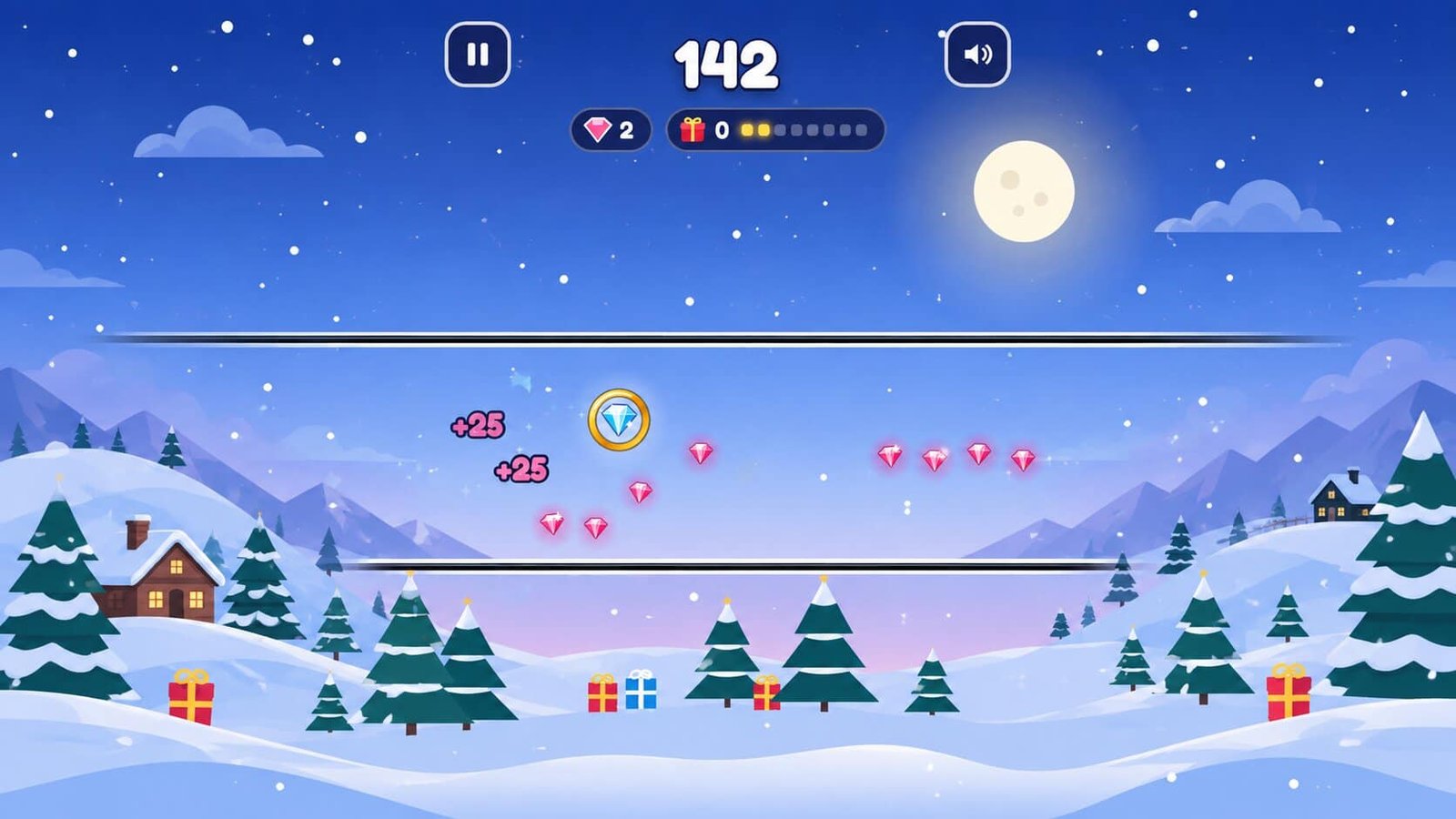
Diamond Wire Run
One tap guides a diamond along a narrowing wire path. Collected gems wrap into gifts, and they can become your products.
Best for: holiday campaigns, jewelry and gifting brands.
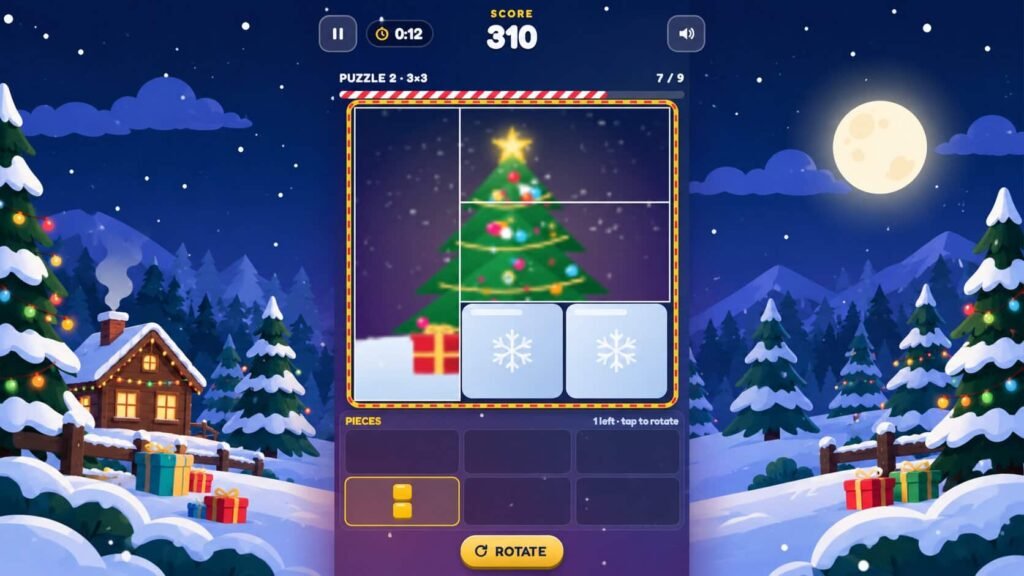
Jingel Blocks
A 60-second Christmas puzzle. Players fit blocks onto a frosted board to reveal a hidden picture, which can be your brand.
Best for: holiday trade shows and seasonal lead-gen campaigns.
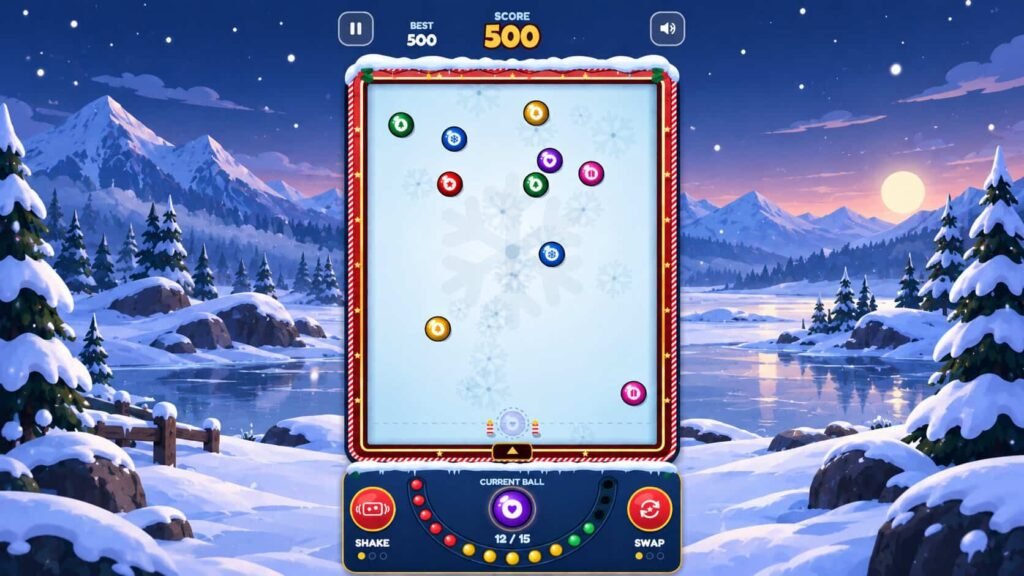
Christmas ComBall
Pull back and release to launch balls across a festive pool table. Same-color balls combine, score points and give a ball back.
Best for: trade show booths, online campaigns and parties.
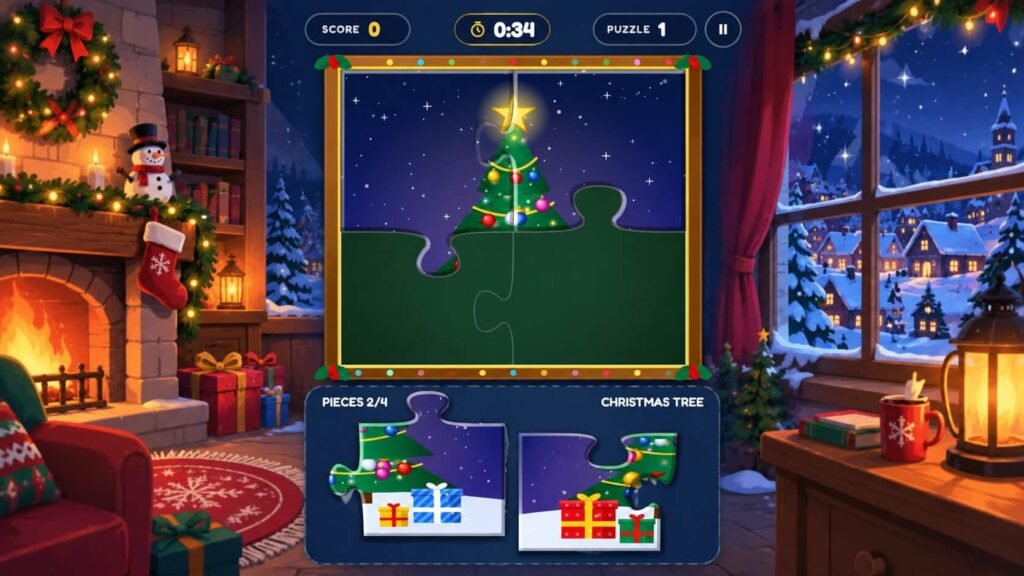
Christmas Jigsaw Puzzle
Study a festive picture for five seconds, then drag the shuffled pieces back into place before the 60-second clock runs out.
Best for: booths, company parties and holiday emails.
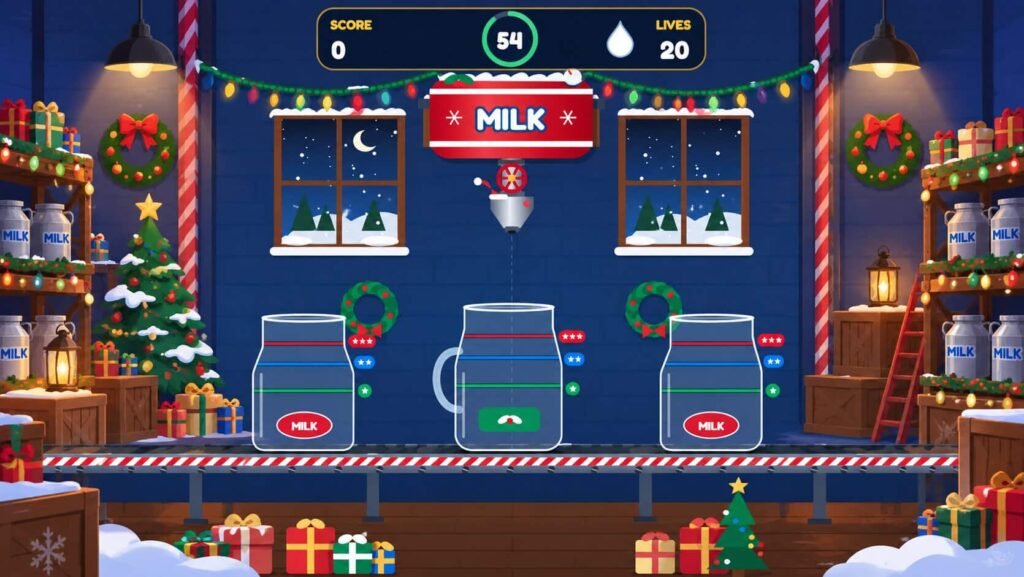
Milk Bottle Challenge
A hold-to-pour timing game. Players fill bottles on a moving conveyor to the red line in 60-second rounds.
Best for: food and drink brands, holiday shows and campaigns.
Games that work all year
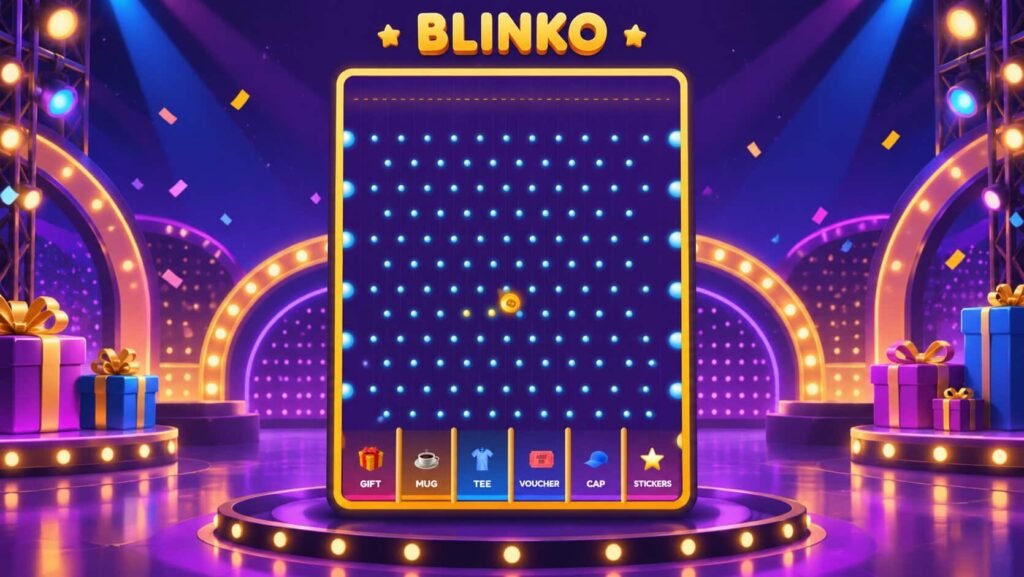
Blinko
A Plinko-style game of chance. Players drop one coin through a board of pins and win one of six prizes you choose.
Best for: trade show booths, prize giveaways and lead generation.
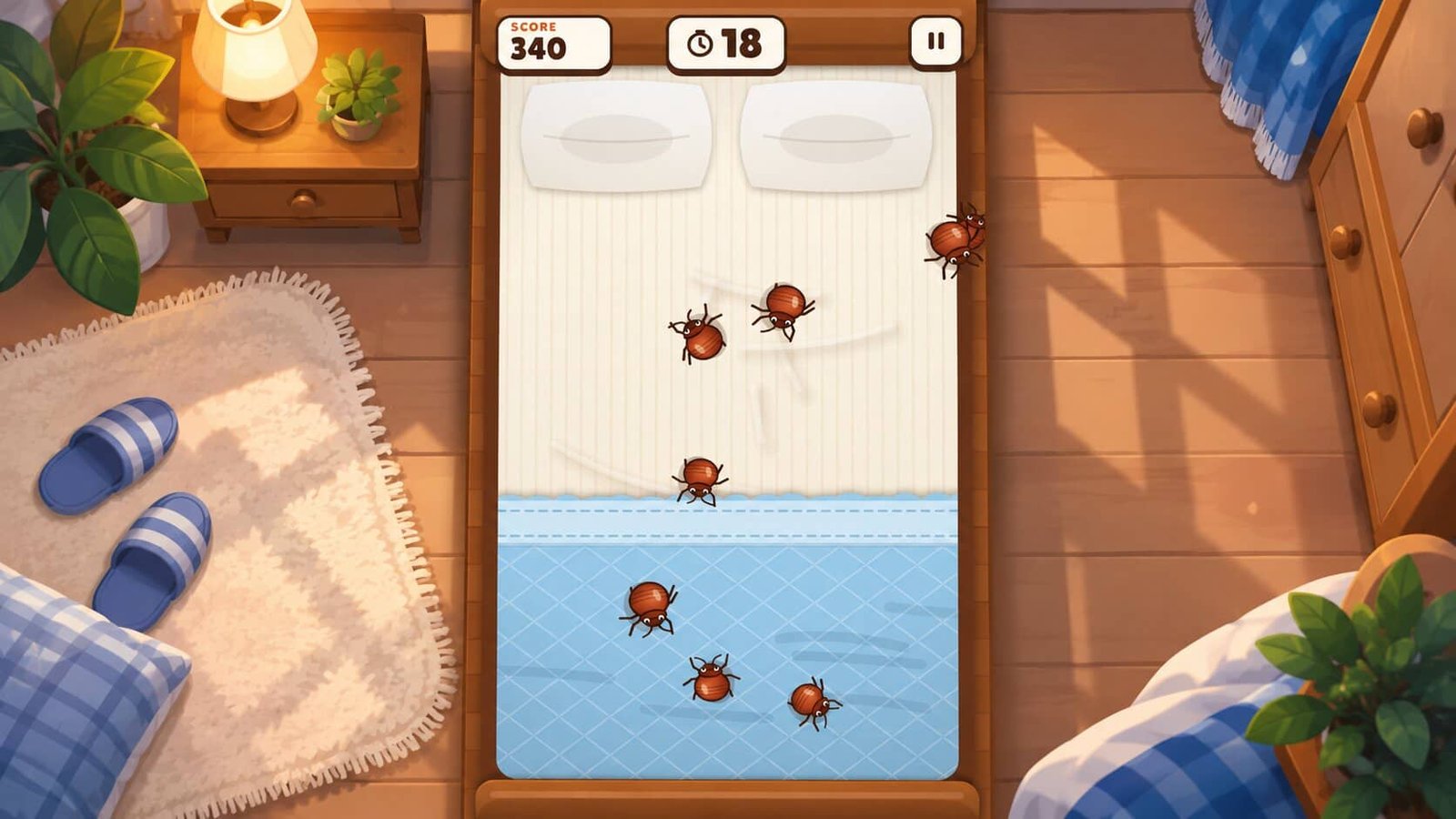
Squash the Bed Bugs
Players tap or click crawling bugs for 60 seconds and build combos. The bug can be swapped for your mascot or product.
Best for: pest control, bedding and hotel brands, and booths.
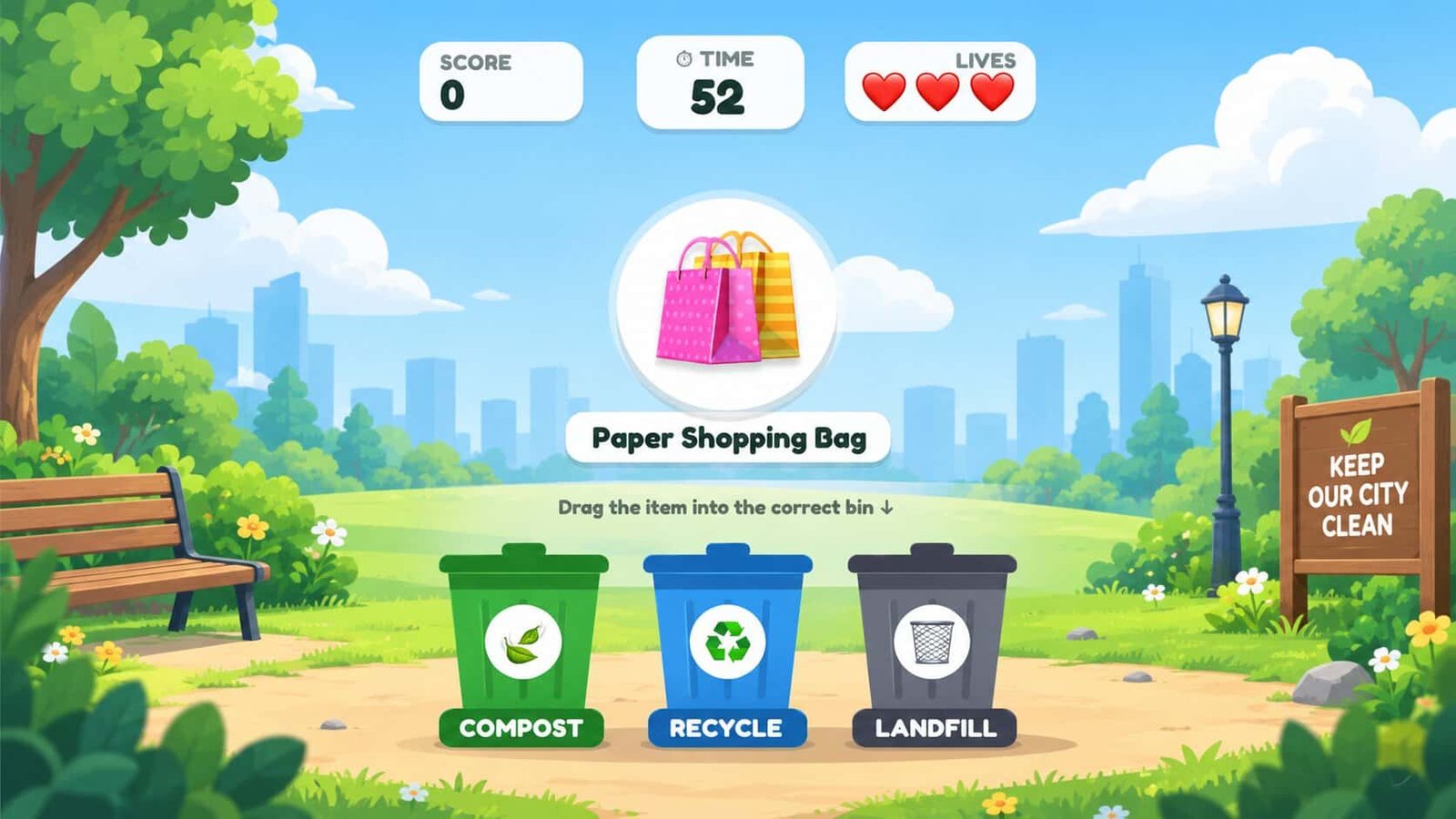
Sort Trash Drag
Players drag one item at a time into the compost, recycle or landfill bin before the 60-second clock or their three lives run out.
Best for: sustainability campaigns and QR code activations.
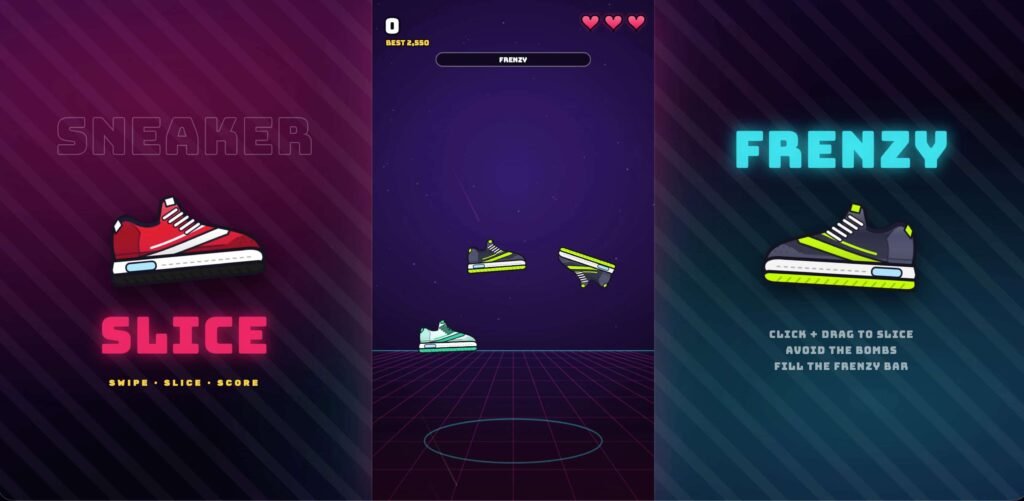
Sneaker Slice Frenzy
Players swipe to slice flying sneakers, dodge bombs and chase a Frenzy burst. One gesture to learn.
Best for: sneaker, streetwear and retail launches.
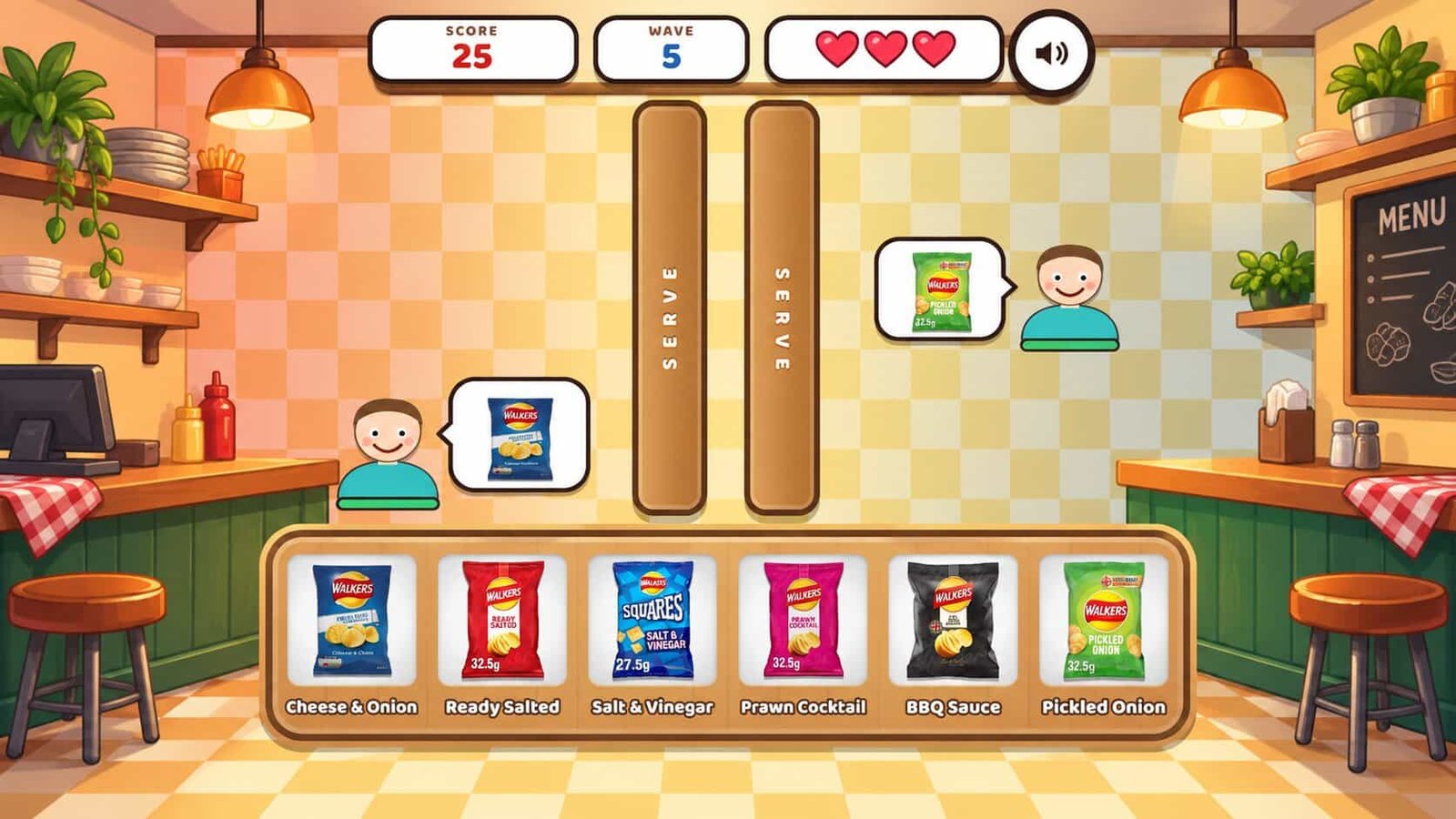
Crisp Rush
Players run a snack counter, dragging the matching pack to each customer before their patience runs out. Swap the items for your own products.
Best for: unattended booth tablets and product activations.
Gamification statistics: your questions answered
How big is the gamification market in 2026?
Three research firms estimate the 2026 market at between $30.7 billion (Persistence Market Research) and $34.43 billion (The Business Research Company), with Straits Research at $33.0 billion. Forecasts for the early 2030s vary much more widely.
Do gamified lead forms convert better than standard forms?
Published case studies point that way. A Danish webshop saw about 3.2 times the daily sign-ups from a prize wheel popup compared with a standard newsletter popup, and Tele2 Estonia collected 10,069 leads in two weeks from a wheel campaign. Results vary, and gamified sign-ups can include more throwaway email addresses, so check lead quality.
Are branded games worth it at a trade show?
Figures cited by Elation Digital say 72% of exhibitors attend trade shows mainly to generate leads and an average lead costs about $112. A game gives people a reason to stop, and a sign-up after the round gives your team a name and email. Independent benchmarks for booth traffic lift are thin, so track plays, sign-ups and follow-ups from your own event.
Do players need to install an app to play a branded game?
Not with our games. They run in a phone or desktop browser from a link or QR code. In Poki's 2026 survey, 56% of web gamers said they like browser games for their accessibility.
Sources
Figures reflect the sources below as of October 19, 2026. We paraphrased each source and noted where a figure comes from a vendor or a single case study.
- Persistence Market Research, Gamification Market Size, Share, and Growth Forecast 2026 to 2033
- Straits Research, Gamification Market Size, Share and Trends Analysis Report
- The Business Research Company, Gamification Global Market Report 2026 (via GII Korea)
- The Business Research Company, Creator Branded Games Global Market Report 2026 (via GII Japan)
- The Drum, You're spending 95% of your budget where your audience spends 8 seconds (July 2026)
- Dentsu Gaming, market overview (updated March 2026, via Game Industry Library)
- eMarketer, Gaming engagement stays strong, even as regulation risks rise
- PocketGamer.biz, Report: 53% plan to port mobile games to browser in next 12 months (Poki State of Web Gaming 2026)
- Outlook Respawn, Hypercasual and puzzle games now own 99% of the web gaming market
- Uplup, Interactive Content Marketing: The Complete Guide for 2026
- Linearity, 95 interactive content statistics
- Jobera, Interactive Content Statistics
- Optimove, Tele2 Estonia gamified Wheel of Fortune case study
- ideal.shop, Gamification case study: 3.2x more leads
- Prospeo, Gamification Lead Generation: What Works in 2026
- WIT Sports, Why Gamified Campaigns Deliver 3-5X More Leads
- Tremendous, Does gamification marketing really work? (BeeLiked data)
- Elation Digital, 7 Effective trade show lead generation ideas in 2026
- momencio, 10 ways to build trade show booth success